
| Parameter | Value / Description |
|---|---|
| Molecular Formula | C₂H₂CaO₄ |
| Molecular Weight | 130.11–130.12 g/mol |
| Density | 2.02–2.023 g/cm³ (20 °C) |
| Melting Point | >300 °C (decomposes) |
| Boiling Point | No data (decomposes before boiling) |
| Flash Point | No data |
| Autoignition Temperature | 475 °C |
| Refractive Index (nD²⁰) | No data |
| Vapor Pressure | No data |
| Vapor Density (air = 1) | No data |
| Solubility in Water | 16 g/100 mL (20 °C); 16.2 g/100 mL (0 °C); 18.4 g/100 mL (100 °C) |
| Solubility in Organic Solvents | Practically insoluble in alcohol; slightly soluble in methanol |
| pH (aqueous solution) | 6.0–8.0 (1 M solution, 25 °C); 7.5 (10% solution) |
| Stability | Stable under normal storage; decomposes on heating above 400 °C |
| Reaction Characteristics | Decomposes on heating producing flammable hydrogen and irritating fumes; reacts with strong acids and strong oxidants |
| Octanol–Water Partition Coefficient (log P) | –2.47 |
| Explosive Limits | Not applicable (non‑flammable solid) |
| Category | Information |
| GHS Classification | Reproductive Toxicity Category 1B, Aquatic Acute 1, Skin Sensitization 1, STOT SE 3 (Respiratory tract irritation), STOT RE 1 (Respiratory system), Aquatic Chronic 2 |
| Signal Word | Danger |
| Hazard Statements | H360Df: May damage the unborn child. Suspected of damaging fertility |
| H372: Causes damage to organs (respiratory system) through prolonged or repeated exposure | |
| H317: May cause an allergic skin reaction | |
| H335: May cause respiratory irritation | |
| H400: Very toxic to aquatic life | |
| H411: Toxic to aquatic life with long lasting effects | |
| Precautionary Statements | Prevention: P201 Obtain special instructions before use; P260 Do not breathe dust/fume/gas/mist/vapors/spray; P273 Avoid release to the environment; P280 Wear protective gloves/protective clothing/eye protection/face protection |
| Response: P308+P313 IF exposed or concerned: Get medical advice/attention; P391 Collect spillage; P333+P313 If skin irritation or rash occurs: Get medical advice/attention; P302+P352 IF ON SKIN: Wash with plenty of water | |
| Storage: P405 Store locked up; P403+P233 Store in a well-ventilated place. Keep container tightly closed | |
| Disposal: P501 Dispose of contents/container to an approved waste disposal plant | |
| Health Hazards | May cause damage to the unborn child. Suspected of damaging fertility. May cause allergic skin reaction. May cause respiratory tract irritation. Causes damage to organs (respiratory system) through prolonged or repeated exposure |
| Environmental Hazards | Very toxic to aquatic life with long lasting effects. Do not let this chemical enter the environment. Toxic to aquatic organisms |
| Physical Hazards | Combustible. As a result of flow, agitation, etc., electrostatic charges can be generated. Decomposes on burning, producing toxic and irritating fumes (phthalic anhydride). Reacts with strong oxidizers |
| Occupational Exposure Limits | TLV (ACGIH): 5 mg/m³ (TWA) |
| MAK (Germany): 0.58 mg/m³, 0.05 ppm | |
| Transport Information | UN Number: UN3082 |
| Hazard Class: 9 | |
| Packing Group: III | |
| Marine Pollutant: Yes | |
| Regulatory Information | Listed as a Substance of Very High Concern (SVHC) under EU REACH regulation |
Animal Feed Additive
Serves as a source of calcium and formate in livestock and poultry feed, promoting growth performance, improving feed conversion efficiency, and supporting digestive health, particularly in piglets and young animals.
Construction and Building Materials
Used as an accelerating and setting agent in cement and concrete formulations, reducing setting time and improving early strength development, especially in cold weather concreting applications.
Leather Tanning and Processing
Applied in leather tanning as a masking and buffering agent, helping to control pH during chrome tanning processes and improving the penetration and fixation of tanning agents.
Textile Industry
Employed in textile dyeing and finishing processes as a buffering and reducing agent, assisting in pH control and improving dye uptake on natural fibers.
Oil and Gas Drilling Fluids
Functions as an additive in drilling mud formulations, providing pH buffering and fluid loss control, and contributing to wellbore stability in various drilling operations.
Chemical Synthesis and Intermediate
Serves as a raw material for the production of formic acid and other formate derivatives, acting as an intermediate in various organic synthesis reactions.
Preservative for Silage and Animal Feeds
Used as a preservative in silage production and animal feed storage, inhibiting the growth of harmful molds and bacteria while maintaining nutritional quality.
Industrial Cleaning and Descaling
Applied in cleaning formulations for descaling and removing mineral deposits from boilers, heat exchangers, and other industrial equipment due to its ability to dissolve calcium and magnesium scales.
De-icing and Anti-icing Agents
Used as an environmentally friendly de-icing agent for airport runways and road surfaces, providing effective ice melting at lower temperatures while being less corrosive than traditional chloride-based de-icers.
Diverse Industrial and Specialty Applications
Finds use in electroplating baths as a buffering agent, in the production of printing inks and adhesives, in ceramics manufacturing, as a corrosion inhibitor in various formulations, and in laboratory applications as a reagent for analytical procedures.
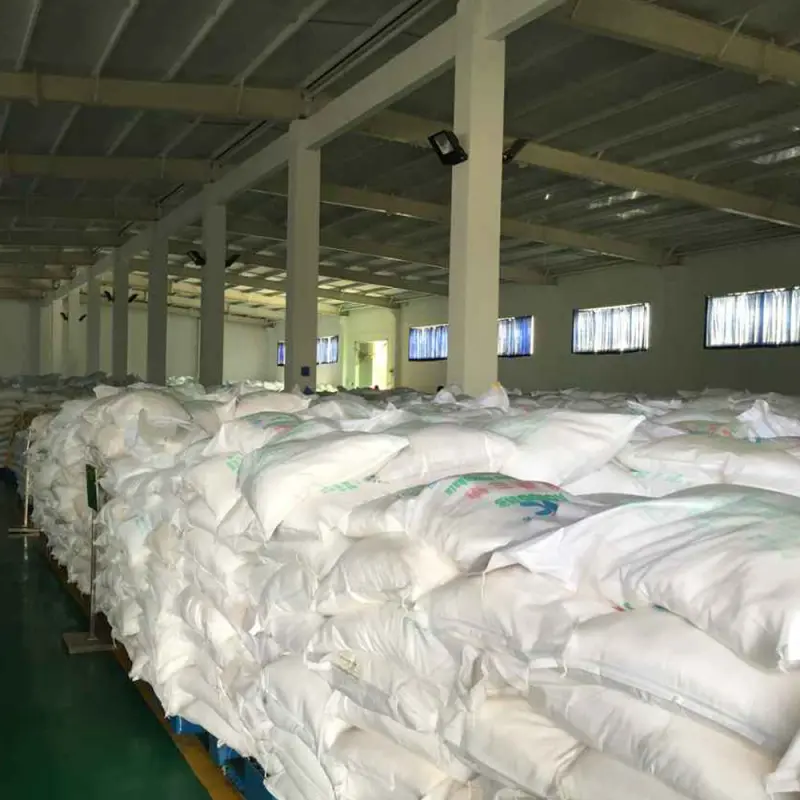
For inorganic salt solid products, common packages are 25kg woven PP bags, kraft paper compound bags and 500kg/1000kg bulk jumbo bags; iron drum packing is available for special high-purity grades.

.webp)
.webp)


Luxi is a comprehensive chemical supplier integrating R&D, production, and sales.Since 2009, the founder has participated in numerous infrastructure projects in China and is among the first generation of architectural design engineers since the reform and opening up.
Send your inquiry / assessment to Us. Anything need us ,please don’t hesitate contact us here! we will keep it secret for you !


